Introduction
Artificial Intelligence (AI) is revolutionizing the way businesses promote their products and services online. AI-powered digital marketing combines advanced technologies, data analytics, automation, and machine learning to help businesses reach the right audience, deliver personalized experiences, and improve marketing performance.
In today’s competitive digital world, businesses can no longer rely solely on traditional marketing methods. By integrating AI into digital marketing strategies, companies can make smarter decisions, optimize advertising campaigns, understand customer behavior, and achieve better results with greater efficiency.
What Is AI-Powered Digital Marketing?
AI-powered digital marketing is the use of artificial intelligence technologies to plan, execute, analyze, and optimize online marketing activities. These technologies process large amounts of data, identify patterns, predict customer preferences, and automate repetitive marketing tasks.
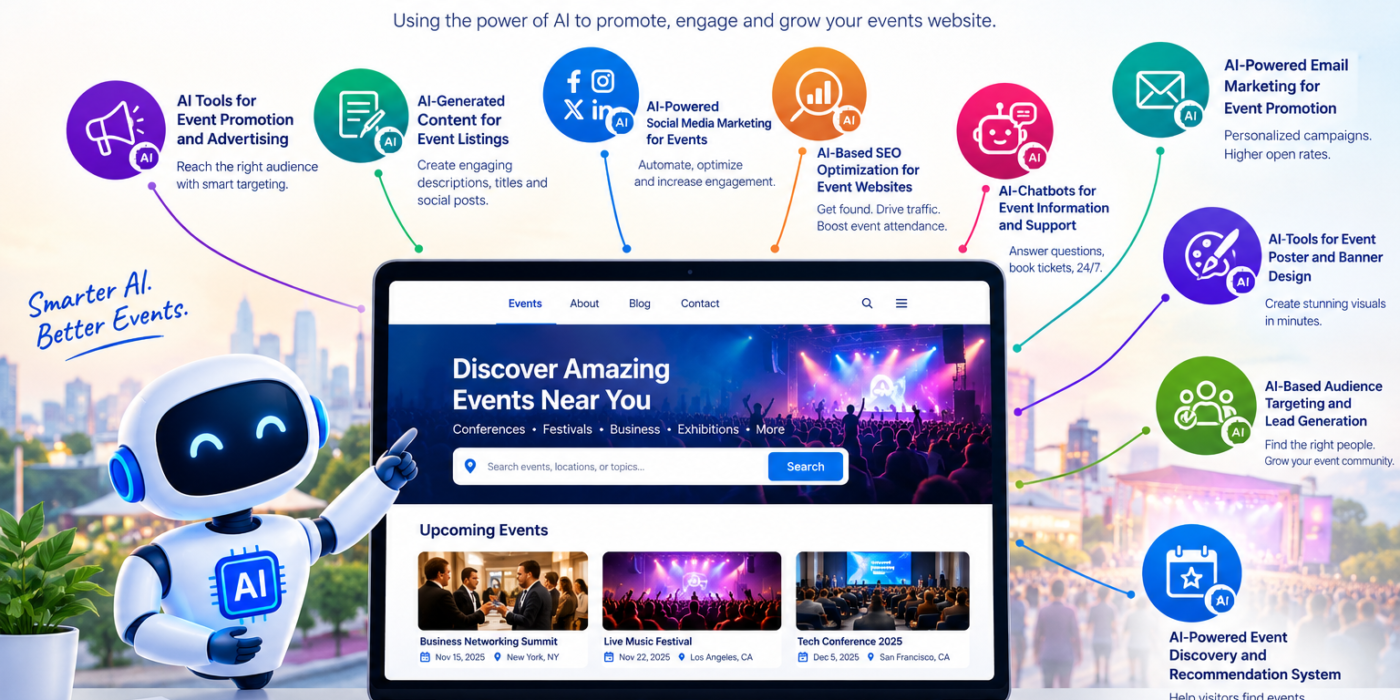
AI can support several digital marketing activities, including search engine optimization (SEO), social media marketing, content creation, email marketing, online advertising, customer support, and lead generation.
For example, an AI-powered marketing platform can analyze website visitors’ behavior, identify potential customers, recommend relevant products, and help businesses deliver targeted advertisements to the appropriate audience.
Key Applications of AI in Digital Marketing
1. AI-Powered Search Engine Optimization (SEO)
Search engine optimization helps businesses improve their visibility on search engines such as Google. AI tools can assist marketers in identifying relevant keywords, analyzing search intent, evaluating competitors, and discovering content opportunities.
AI can also help optimize website content, generate topic ideas, and identify technical SEO issues. However, successful SEO still requires accurate information, high-quality content, a good user experience, and adherence to search engine guidelines.
2. Intelligent Content Creation
Creating engaging and relevant content is essential for successful digital marketing. AI writing assistants can help marketers develop blog articles, website descriptions, social media posts, email campaigns, product descriptions, and advertising copy.
AI tools can accelerate content production and suggest improvements in readability, tone, and structure. Human review remains important to ensure originality, factual accuracy, brand consistency, and genuine value for readers.
3. Personalized Customer Experiences
Modern customers expect relevant and personalized communication. AI can analyze customer preferences, browsing patterns, purchase history, and engagement data to help businesses provide more relevant recommendations and marketing messages.
For example, an e-commerce website can recommend products based on a visitor’s interests, while an email marketing platform can suggest suitable content for different customer groups.
Personalization helps businesses build stronger customer relationships and improve the overall customer experience.
4. AI-Driven Social Media Marketing
Social media platforms are important channels for building brand awareness and attracting potential customers. AI-powered tools can help marketers analyze audience engagement, identify trending topics, suggest posting schedules, generate creative ideas, and monitor brand mentions.
Businesses can use these insights to develop more effective social media campaigns across platforms such as Facebook, Instagram, LinkedIn, and YouTube.
5. Smart Advertising and Campaign Optimization
AI can improve digital advertising by analyzing campaign performance, audience behavior, and conversion data. Advertising platforms use machine learning to help optimize bids, identify promising audiences, and distribute advertising budgets.
Marketers can use these insights to evaluate click-through rates, cost per lead, conversion rates, and return on advertising spend.
The result is a more data-driven approach to campaign management, although performance still depends on campaign quality, budget, targeting, and reliable tracking.
6. AI Chatbots and Customer Support
AI-powered chatbots can provide immediate responses to common customer questions, explain products and services, collect inquiries, and help users navigate websites.
For businesses that receive inquiries outside normal working hours, chatbots can improve responsiveness and capture potential leads. Complex questions should be transferred to a human representative when necessary.
7. Predictive Analytics and Lead Generation
AI can analyze historical marketing data to identify patterns associated with customer interest and purchasing behavior. These insights can help businesses prioritize leads, estimate demand, identify potential opportunities, and plan future campaigns.
For service-based businesses, AI-assisted lead scoring can help sales teams focus on prospects who are more likely to become customers.
Benefits of AI-Powered Digital Marketing
Implementing AI in digital marketing can offer several advantages:
- Greater efficiency: Automates repetitive tasks and reduces manual effort.
- Improved targeting: Helps identify relevant audiences and customer segments.
- Data-driven decisions: Turns marketing data into actionable insights.
- Enhanced personalization: Supports more relevant customer communication.
- Faster content production: Assists with generating and refining marketing materials.
- Campaign optimization: Helps marketers monitor performance and improve advertising strategies.
- Scalability: Enables businesses to manage more marketing activities as they grow.
- Better customer engagement: Supports timely responses and personalized interactions.
The actual benefits depend on how effectively businesses implement AI tools and measure their performance.
Challenges and Considerations
Despite its advantages, AI-powered digital marketing also presents certain challenges. AI-generated content may contain inaccurate information, and automated campaigns can produce poor results if they rely on incorrect data or unsuitable targeting.
Businesses must also consider customer privacy, data protection, transparency, copyright, and responsible use of AI technologies.
The most effective approach combines AI capabilities with human creativity, strategic thinking, ethical judgment, and professional expertise.
How Businesses Can Get Started with AI Digital Marketing
Businesses do not need to transform every marketing activity at once. A practical implementation strategy includes the following steps:
- Define clear goals: Identify whether the priority is website traffic, lead generation, brand awareness, or sales growth.
- Evaluate existing marketing activities: Review SEO, social media, advertising, email campaigns, and website performance.
- Choose suitable AI tools: Select tools that address specific business requirements and integrate with existing systems.
- Start with manageable projects: Test AI-assisted content creation, keyword research, chatbot support, or campaign analysis.
- Measure performance: Track relevant metrics such as organic traffic, qualified leads, conversion rates, and marketing costs.
- Refine the strategy: Use performance data and customer feedback to improve results.
- Maintain human oversight: Review AI-generated content, protect customer data, and ensure marketing messages accurately represent the business.
The Future of AI-Powered Digital Marketing
The future of digital marketing will increasingly involve AI-assisted workflows, conversational search, predictive customer insights, personalized experiences, and automated campaign management.
Businesses that adopt these technologies thoughtfully can respond more quickly to changing customer needs and make better use of their marketing resources.
However, technology alone does not guarantee success. Strong branding, useful content, customer trust, creativity, and a clear marketing strategy will remain essential.
Conclusion
AI-powered digital marketing is transforming how businesses connect with customers, promote their services, and compete in the online marketplace. From SEO and content creation to intelligent advertising, chatbots, and predictive analytics, AI offers valuable opportunities to improve marketing efficiency and effectiveness.
By combining artificial intelligence with human expertise and a customer-focused strategy, businesses can build a stronger digital presence, attract qualified leads, and create sustainable opportunities for growth.
Embrace AI-powered digital marketing to make your business smarter, more competitive, and ready for the future.