
The American Worthies: Thomas Rodney & the Dover Light Infantry
The American Worthies: Thomas Rodney & the Dover Light Infantry is a Delaware history presentation about Captain Thomas Rodney and the Kent County militia company he led during the American Revolution. Presented by Joe Sullivan, it marks the 250th anniversary of the unit’s first battle and connects Delaware’s local Revolutionary history with the pivotal Trenton–Princeton campaign.
When and where
The presentation is scheduled for Saturday, January 2, 2027, from 10:30–11:30 a.m. at the Delaware Public Archives in Dover. It is organized by the Delaware Public Archives and presented by Joe Sullivan as part of Delaware’s commemoration of the American Revolution’s 250th anniversary.
The story behind the presentation
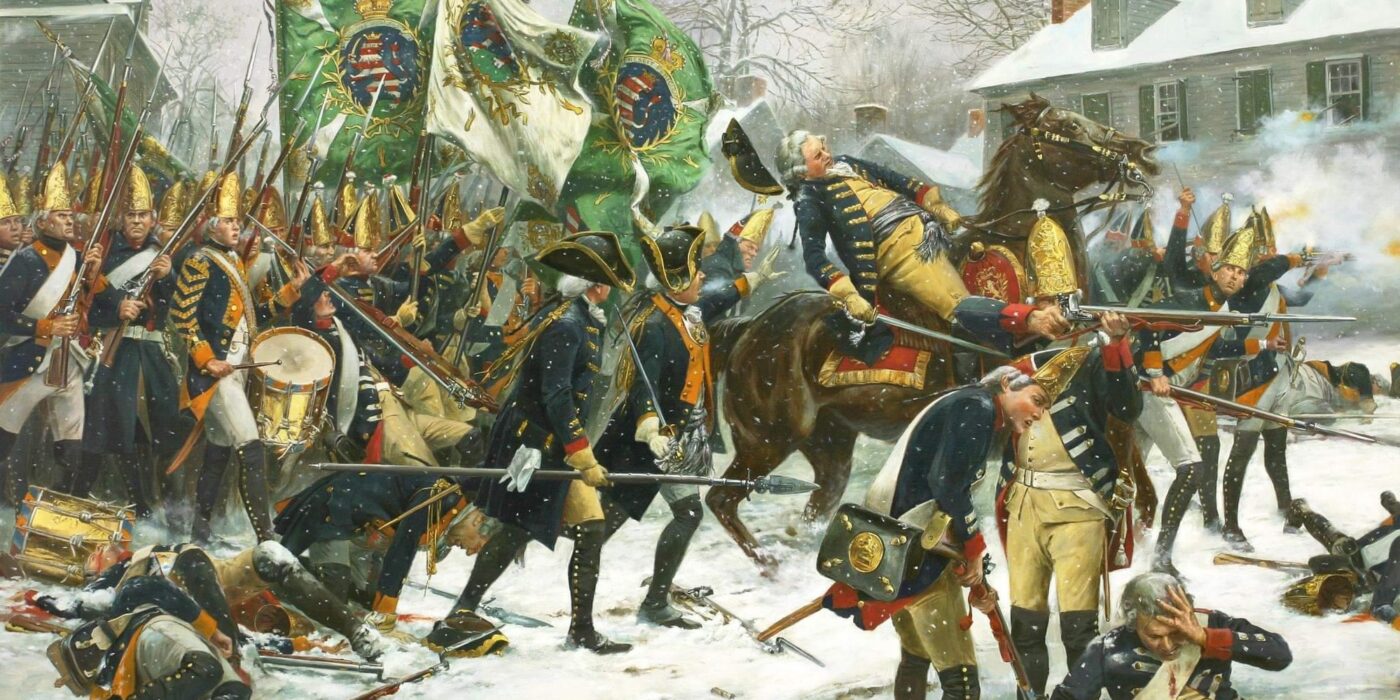
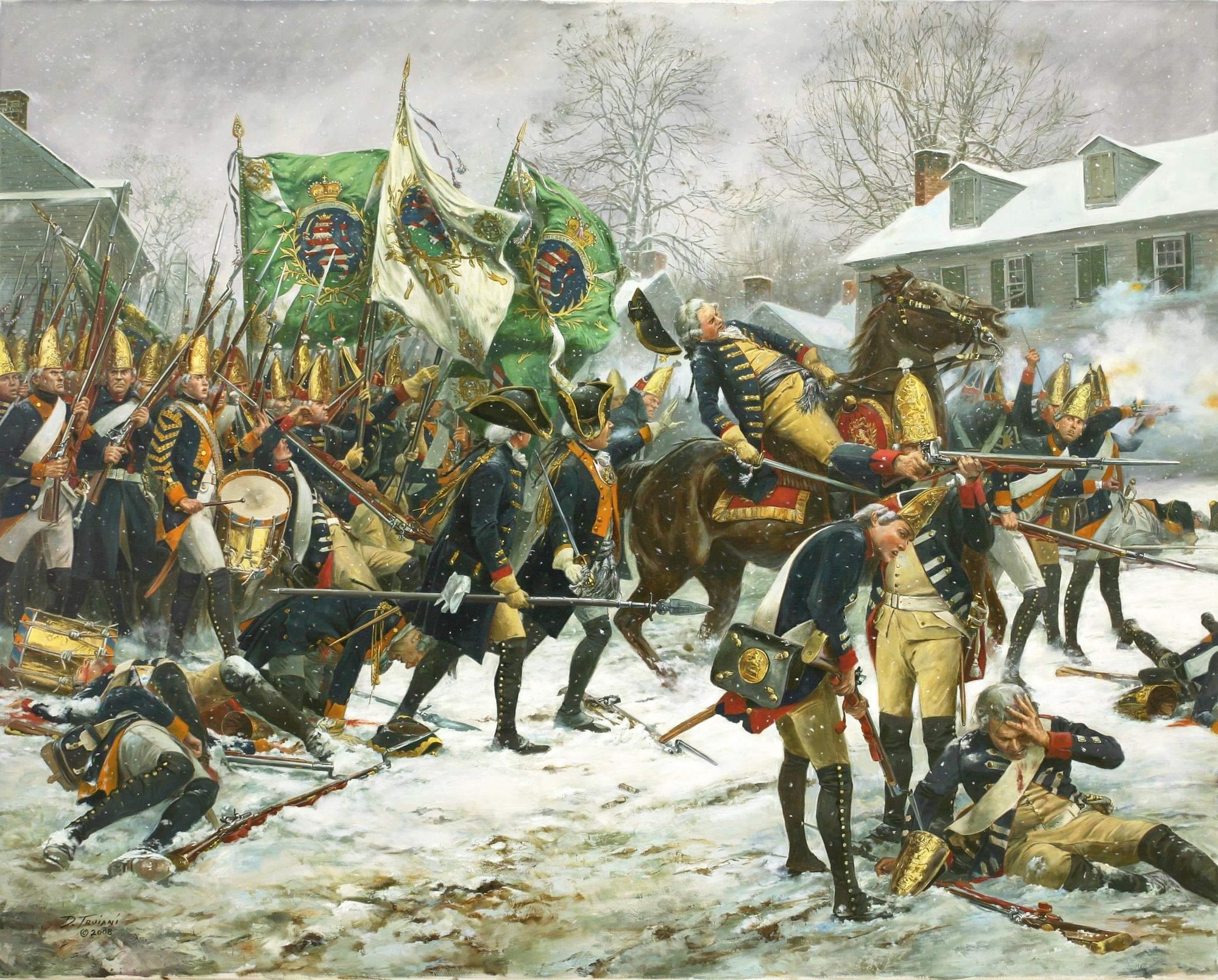
In the bleak winter of 1776–1777, Washington’s army was struggling to reverse a succession of setbacks. The Dover Light Infantry, a small militia company of Kent County volunteers commanded by Rodney, marched north to join the campaign; surviving Delaware historical material identifies the company with the Battles of Trenton and Princeton, two engagements that helped restore American morale.
Thomas Rodney
Thomas Rodney (1744–1811) was the younger brother of Declaration signer Caesar Rodney, but had a substantial public career of his own. Besides commanding the Dover Light Infantry, he served in Delaware’s legislature and Continental Congress and later became chief justice of the Mississippi Territory; importantly for historians, his surviving 1776–1777 diary covers the Trenton–Princeton campaign from a participant’s perspective.
Why this presentation is notable
The subject brings the Revolution down to a distinctly local Delaware scale: Kent County volunteers leaving Dover to participate in a campaign of national consequence. The Archives is particularly well suited to the topic because its Revolutionary War holdings include 1776 correspondence concerning the Dover Light Infantry and Thomas Rodney’s correspondence with Caesar Rodney, providing documentary evidence behind the story being commemorated.